A SaaS app for job seekers
A SaaS app that helps job seekers adapt their resume, track applications, and manage the whole search from one place.
Me on design and frontend, plus a backend engineer (MD).
Product design, prompt design, and the React frontend. Backend (Node/Express, Claude API, Supabase, Stripe) built with MD.
One person, applying to a lot of jobs
Priya, 31
Goal
A score she can trust reflects how the actual system at that company reads her resume.
Frustration
Every checker gives a different confident number, with generic "add more keywords" advice.
Behavior
Runs the same base resume against 5–10 postings a week, on whichever ATS the employer runs.
This is why the app scores per platform instead of averaging, tracks every application she sends, and caps usage against real weekly volume instead of a guess. Less time managing the search, more time prepping for the interview.
Job hunting shouldn't feel like a second job
Taleo parses a resume differently than Workday. A checker that averages every platform into one score is either wrong for six of them, or isn't really checking any of them. On top of that, most people track applications in a spreadsheet that goes stale after week two. I built ATSFixer to adapt the resume per platform, log the application automatically, and get out of the way so the actual work, preparing for the interview, gets the attention.
Fast, honest, and never stuffed with keywords
Speed
Patch-only repairs, a cached resume-facts layer, and an async job keep a 60–180s Claude pipeline from feeling stuck.
Truthfulness
The model can't invent a certification or metric not in the source resume. Enforced in the prompt, checked again after.
Restraint
A keyword caps at three uses per resume. Past that, modern ATS scoring reads it as stuffing, not relevance.
Mapped end to end before any screen
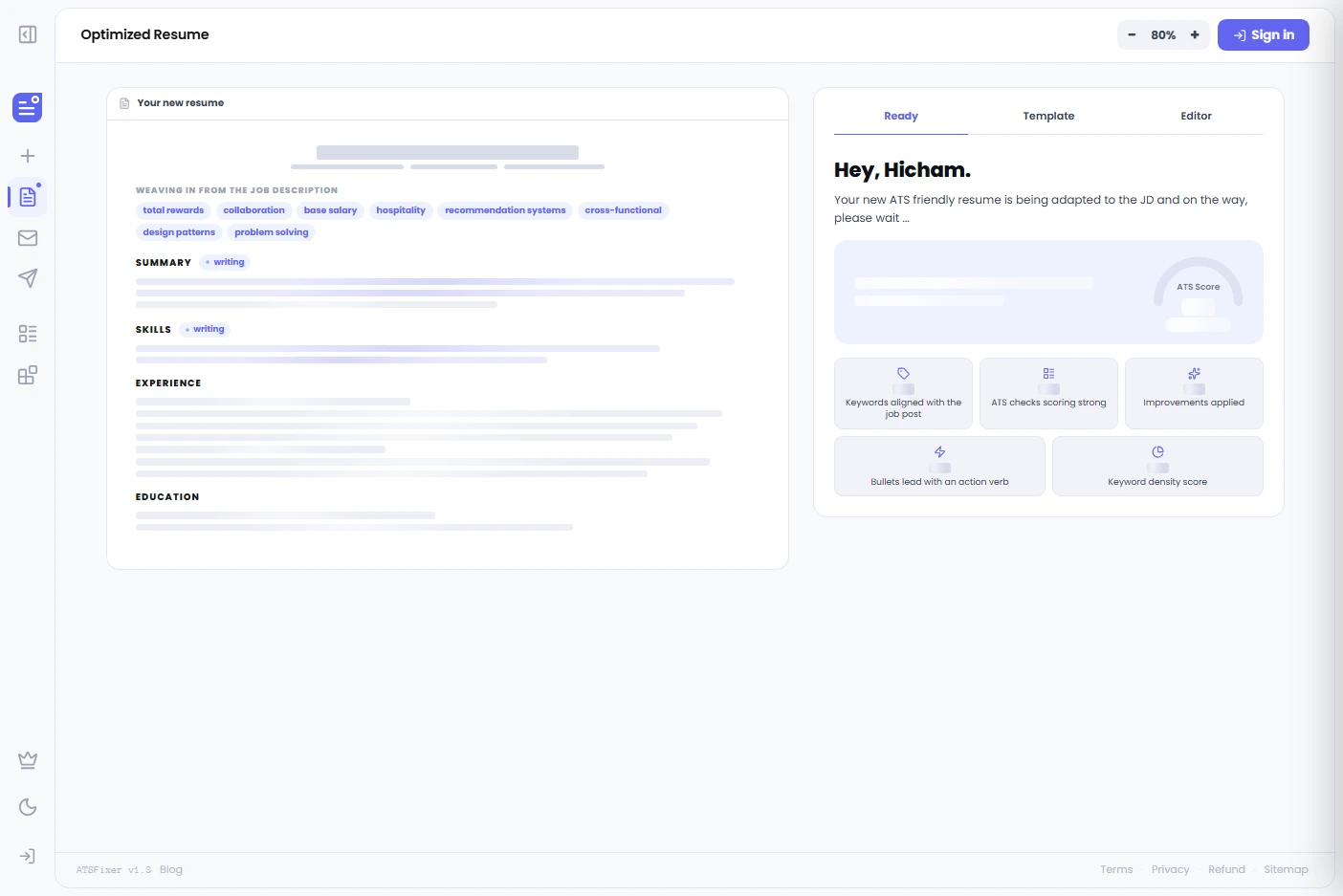
A wait with nothing on screen reads as broken even when it's working, so every gate and failure point had to be designed, not just the happy path.
One skeleton, reused across the flow
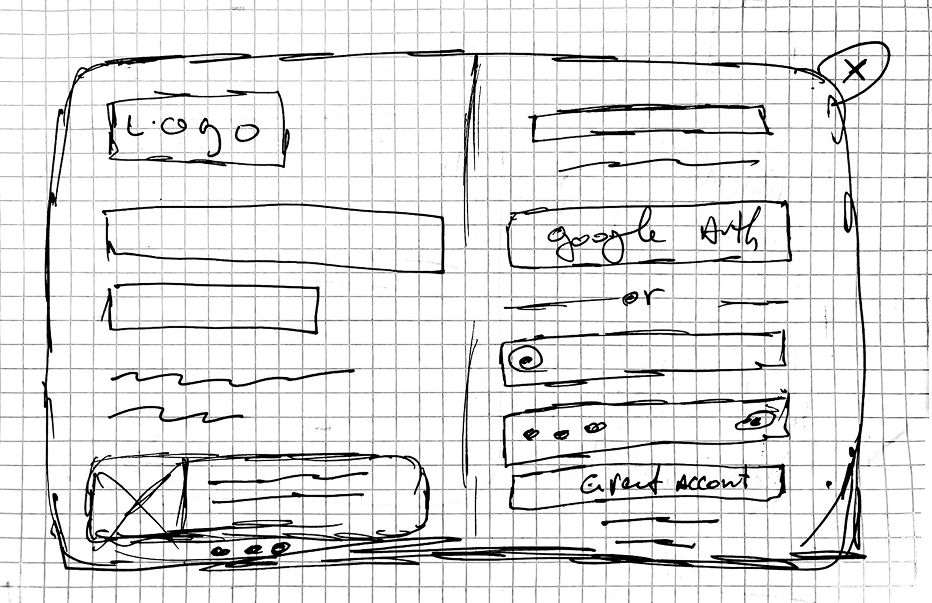
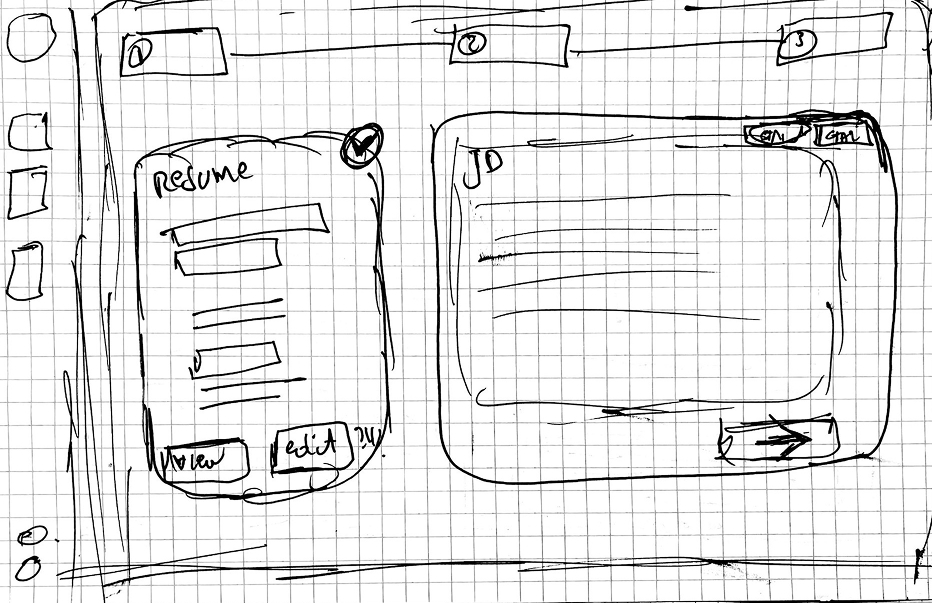
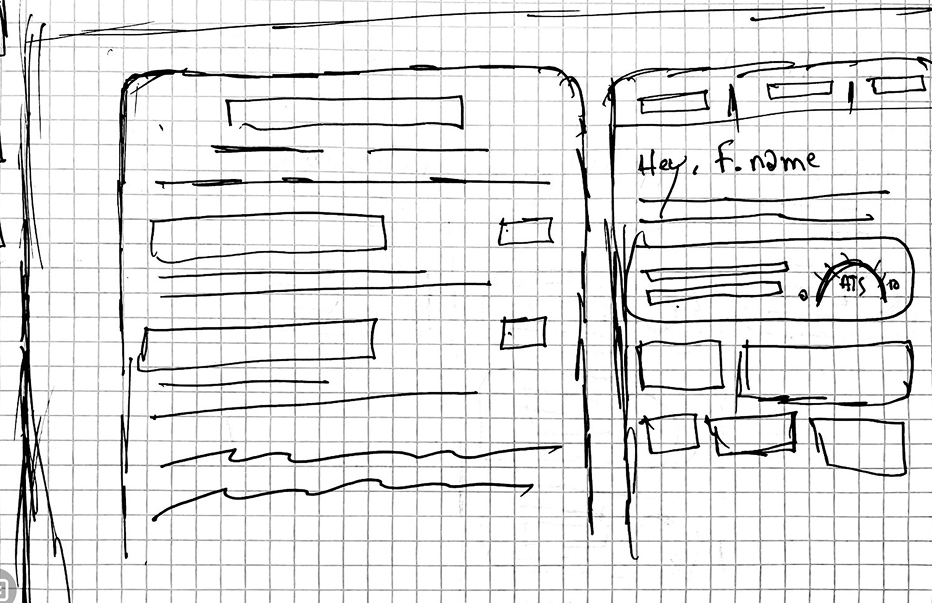
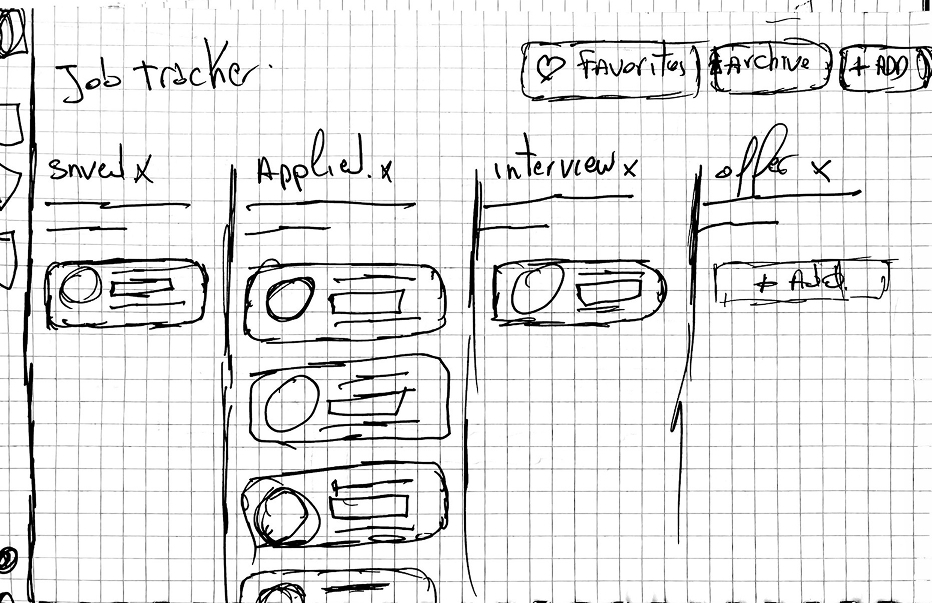
Low-fidelity passes on the four screens that matter most, before any visual design.
ATSPro: one token set, one naming convention
Every surface, text color, and shadow in the running app maps to a --c-* token in design.js, so nothing gets picked from memory. Full dark mode ships free: every token carries a light and dark value, toggled by body.dark, no component restyle needed.
Poppins for all UI, Anonymous Pro for monospace values (tokens, IDs, hashes).
Material Symbols Rounded, one <Icon name /> component everywhere.
Built the way it shipped
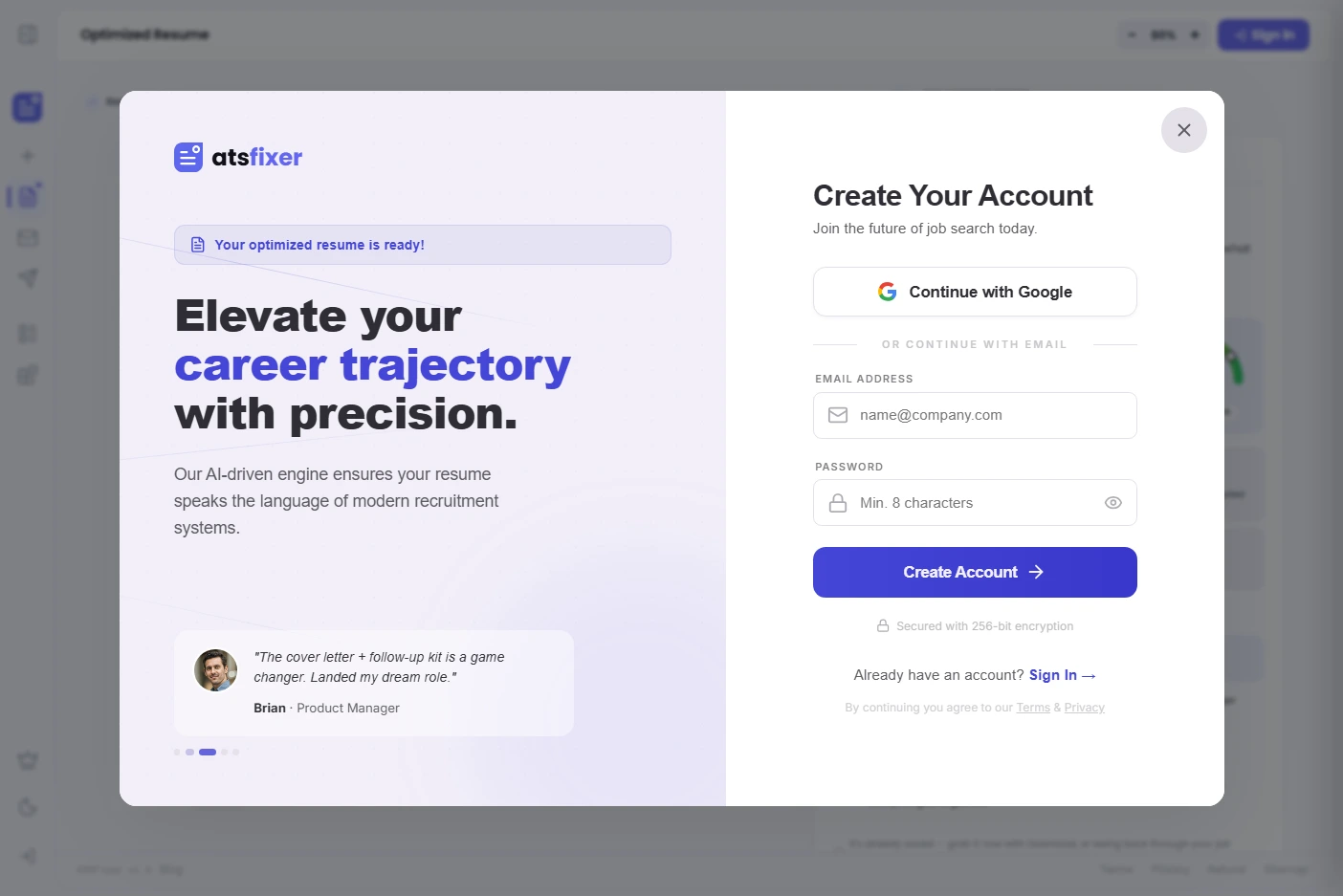
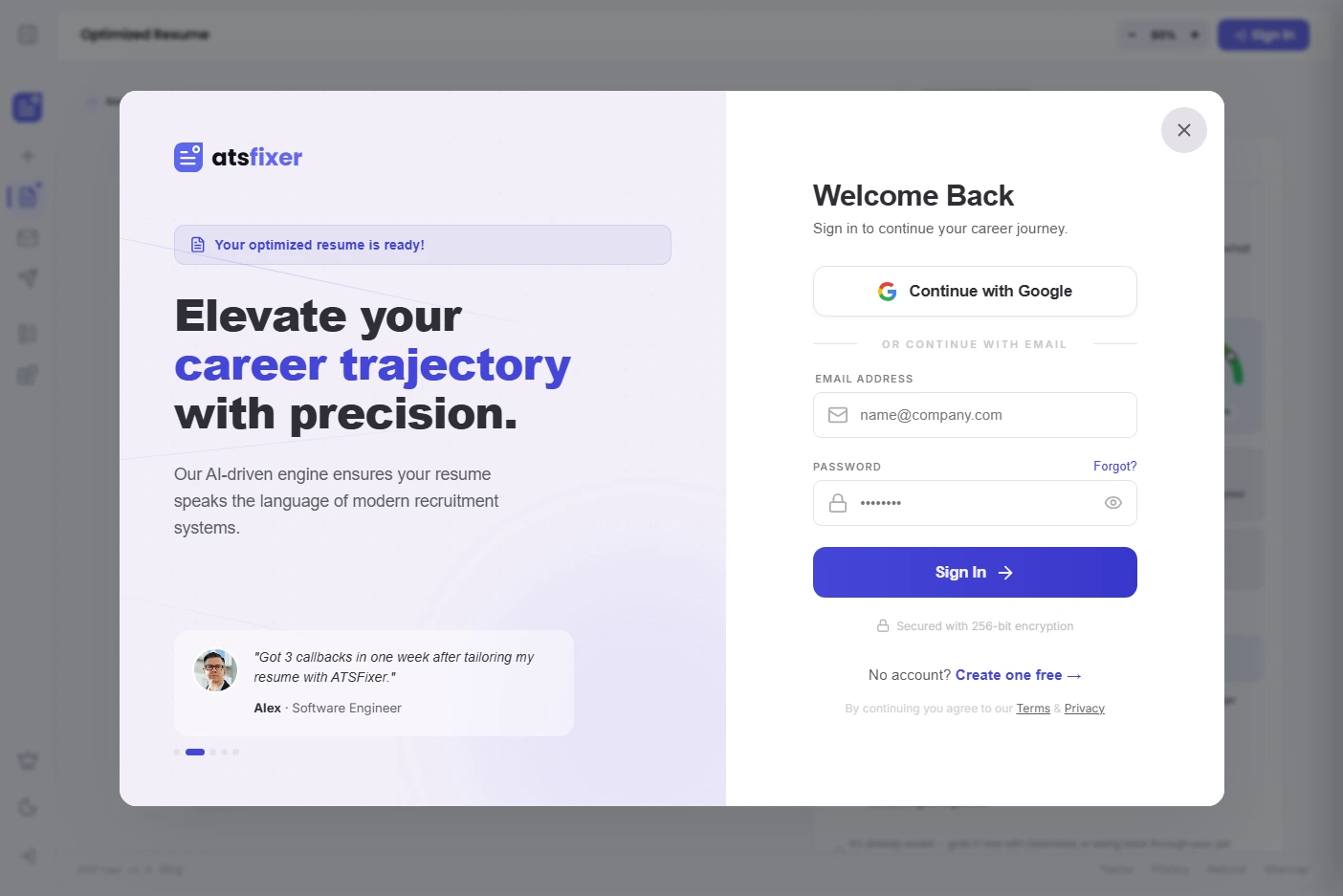
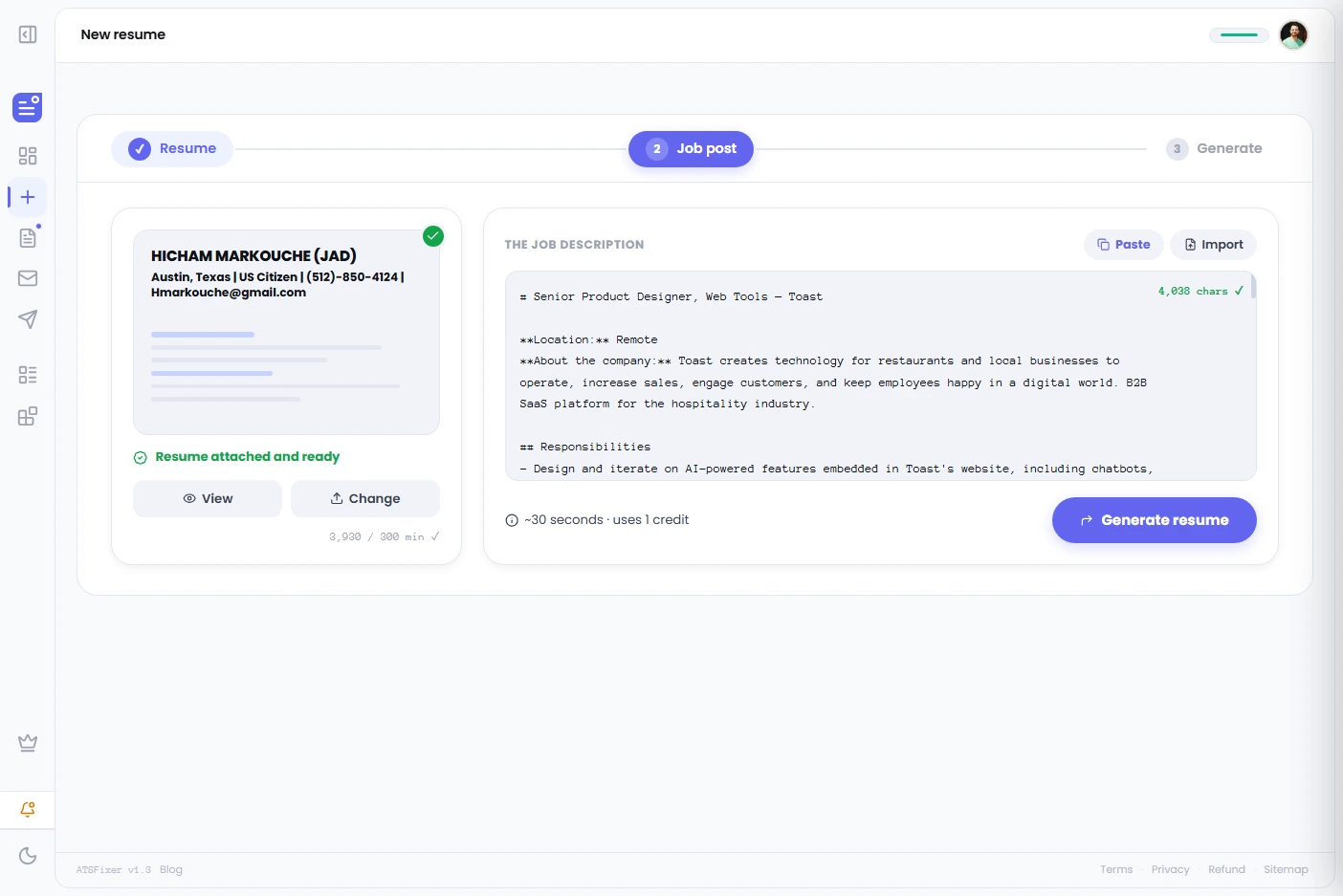
Real screens from the running app, in the order someone moves through it.
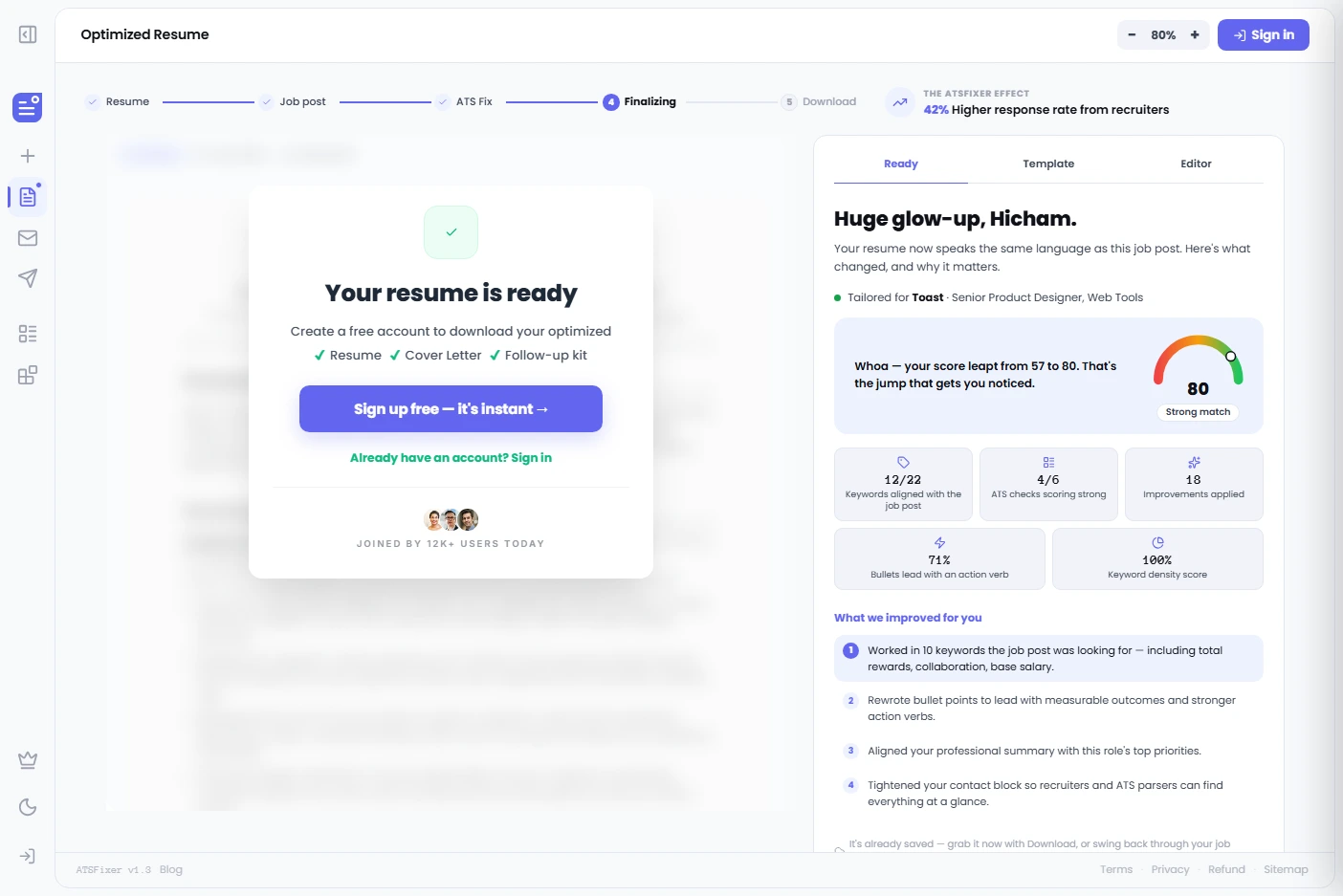
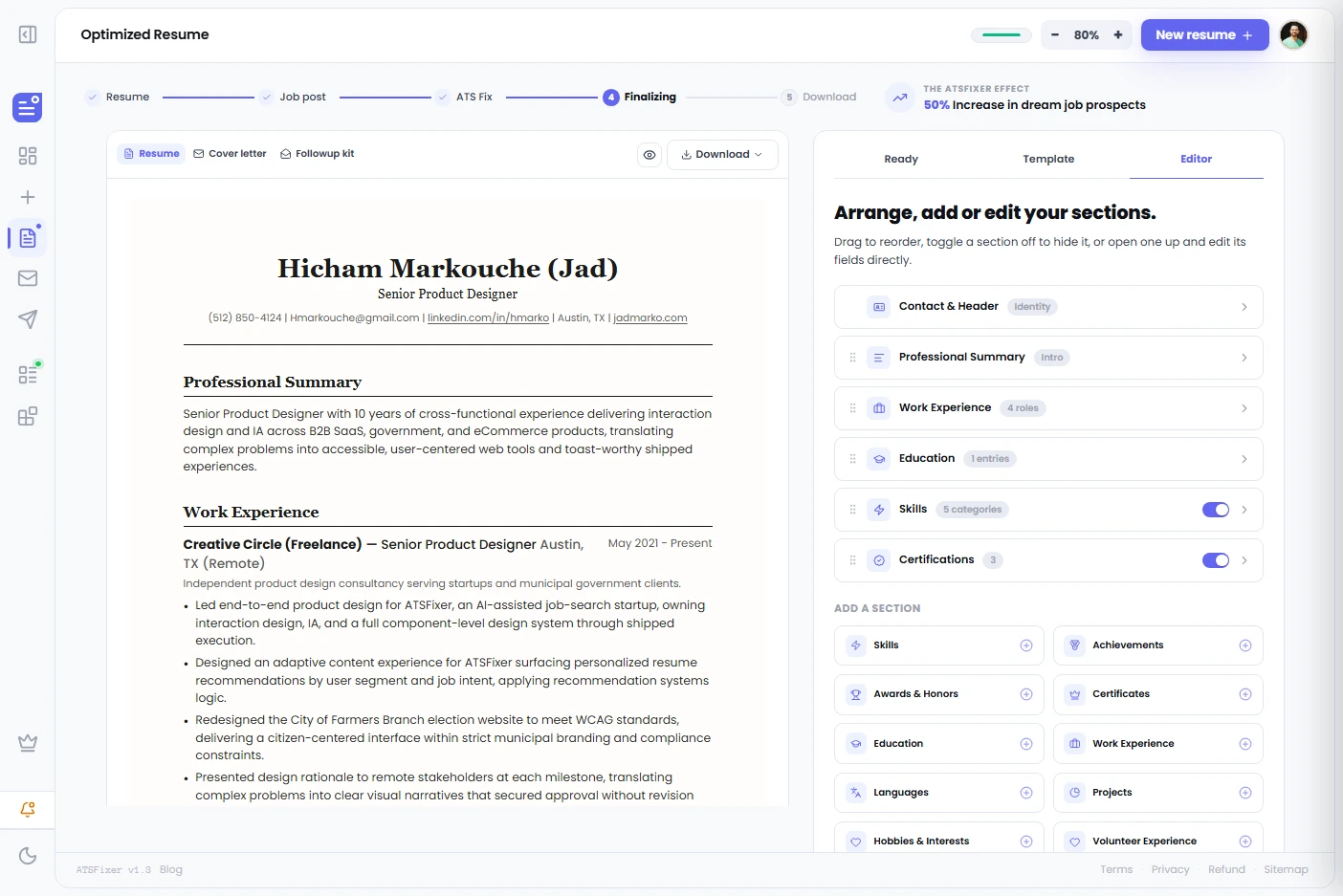
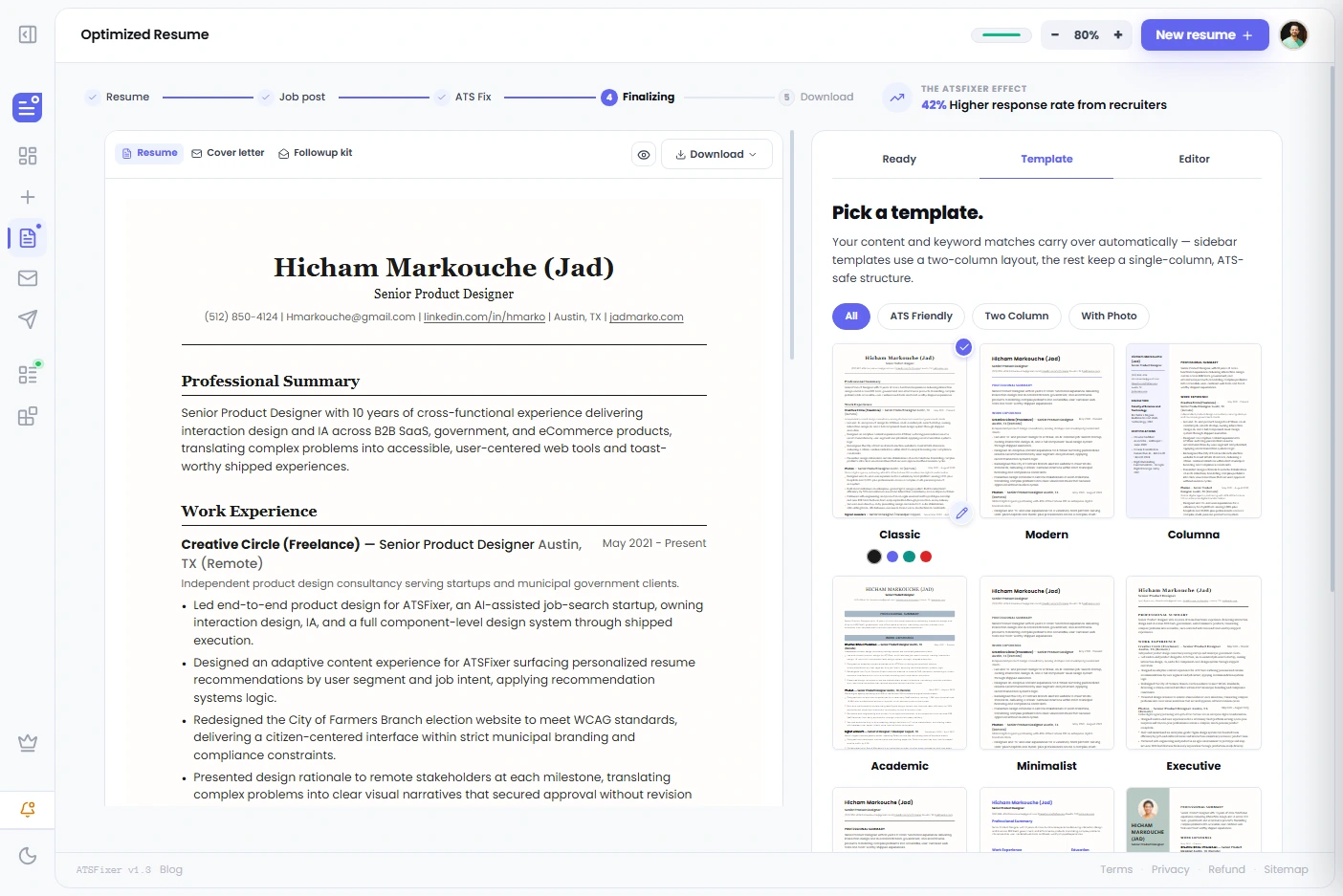
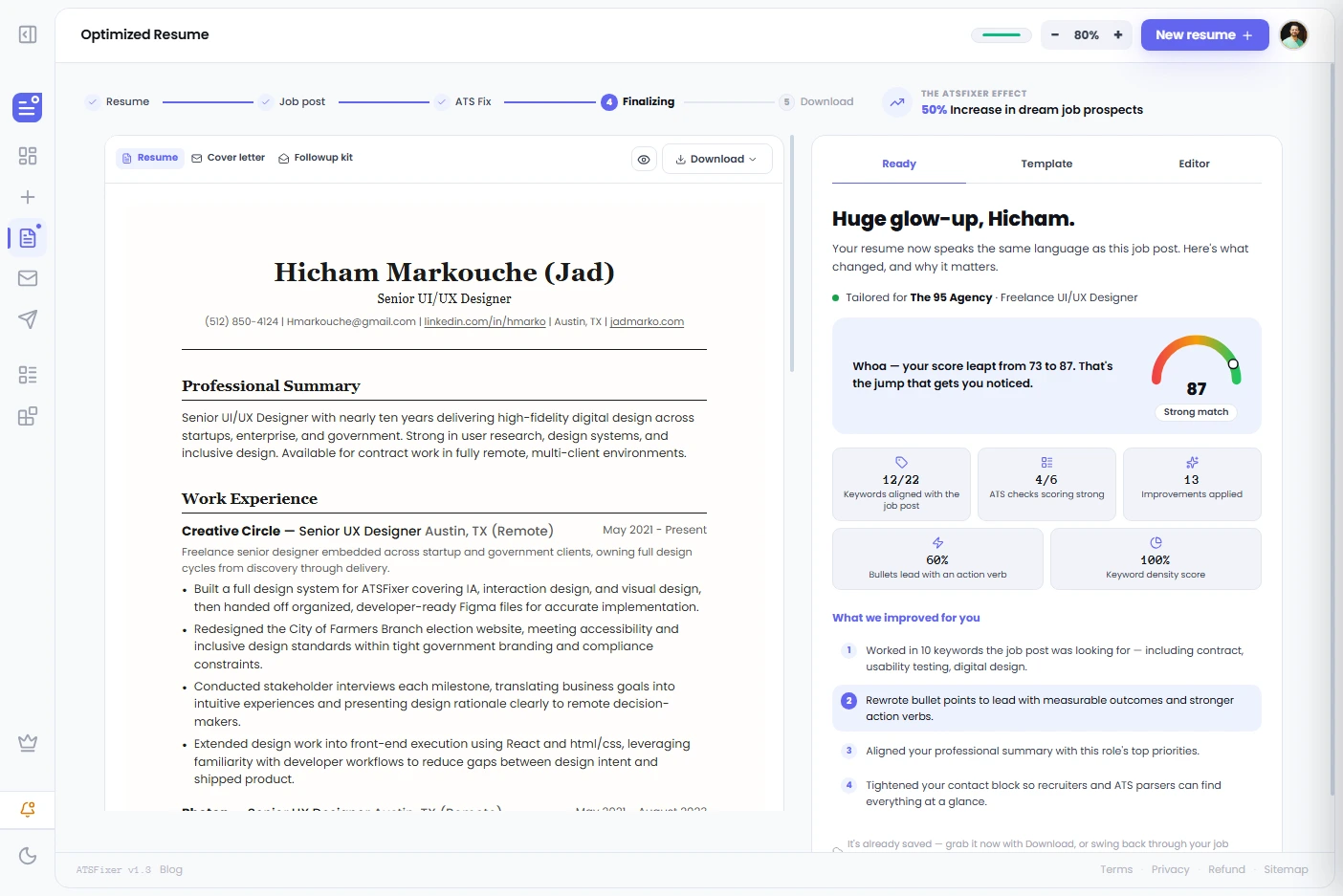
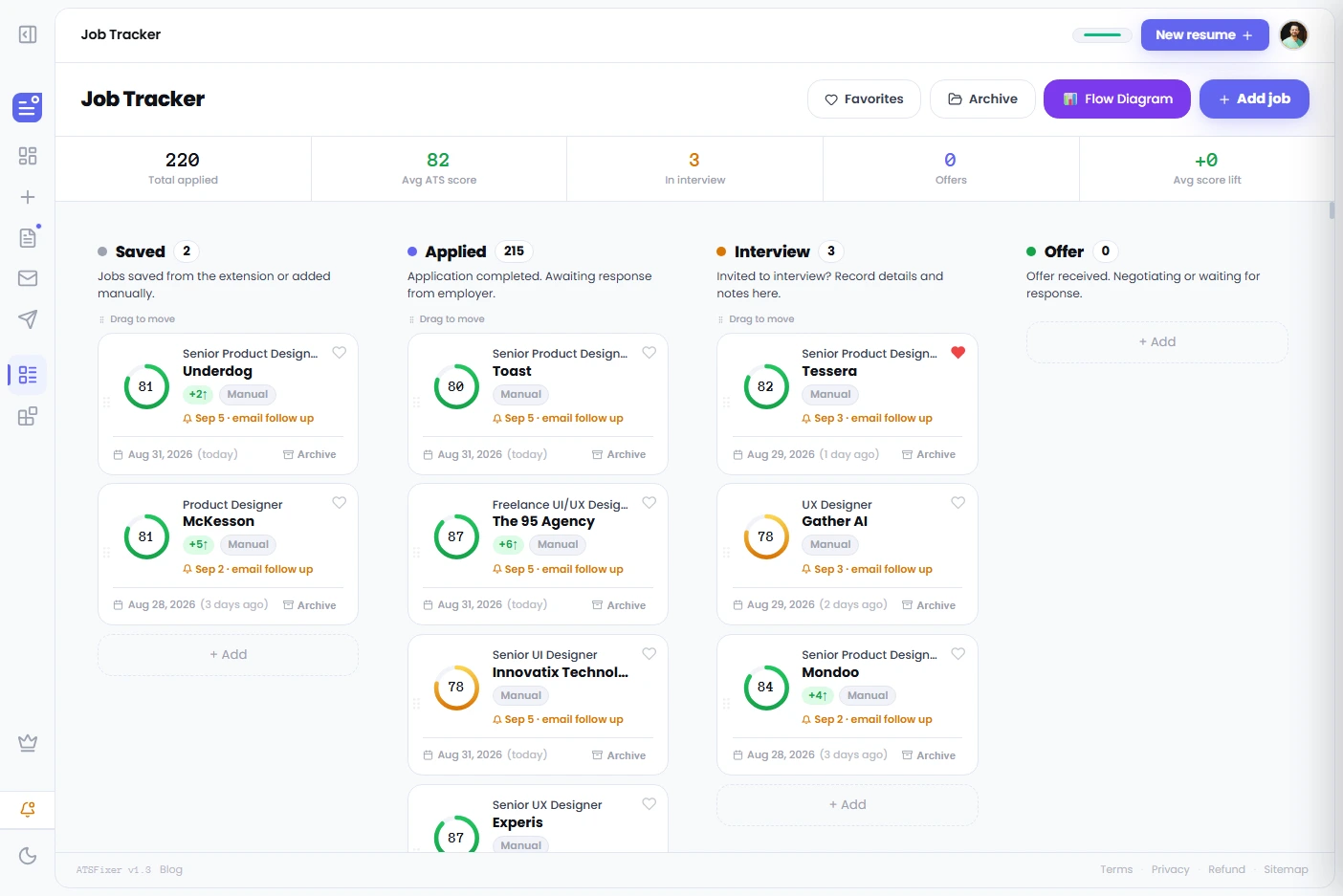
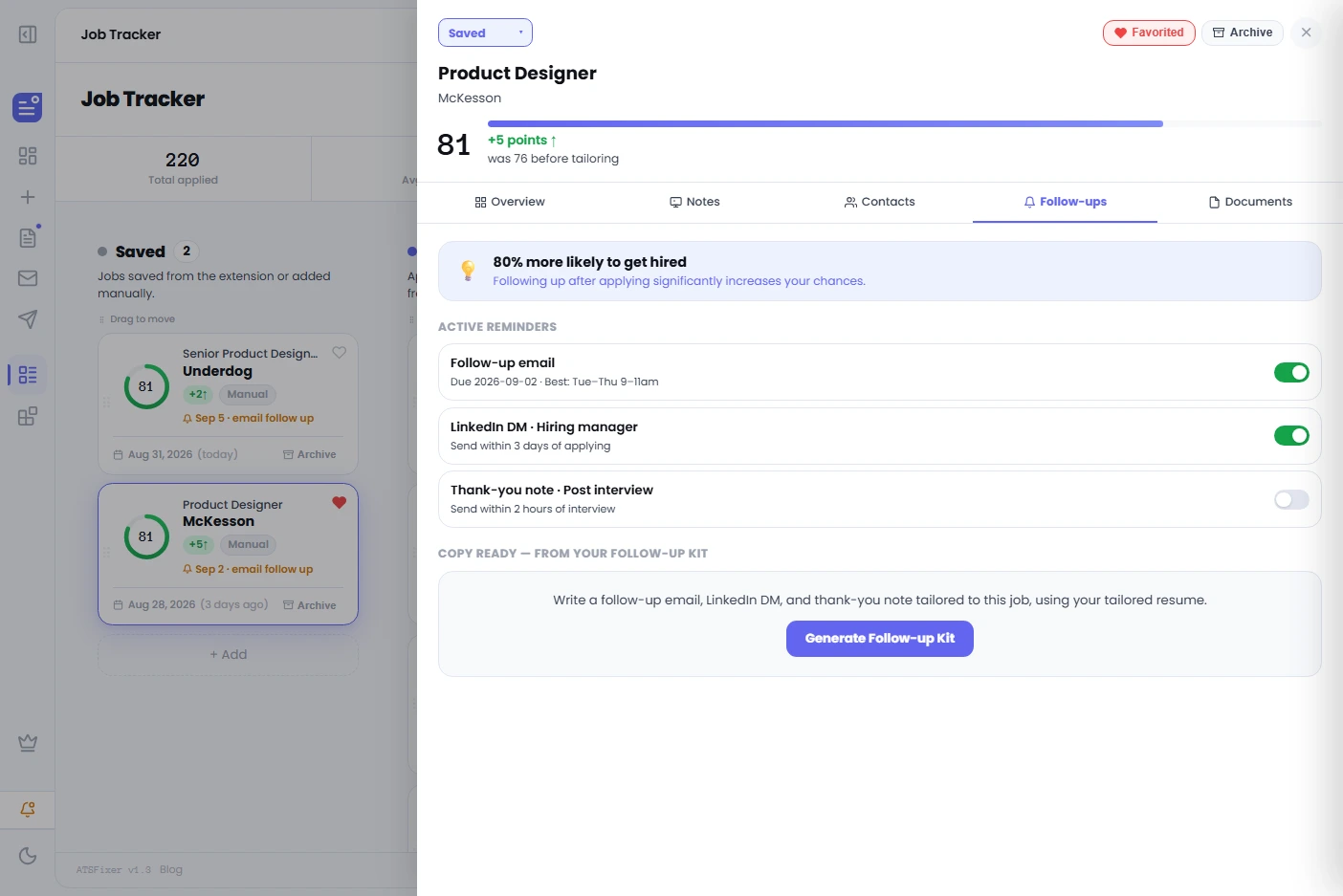
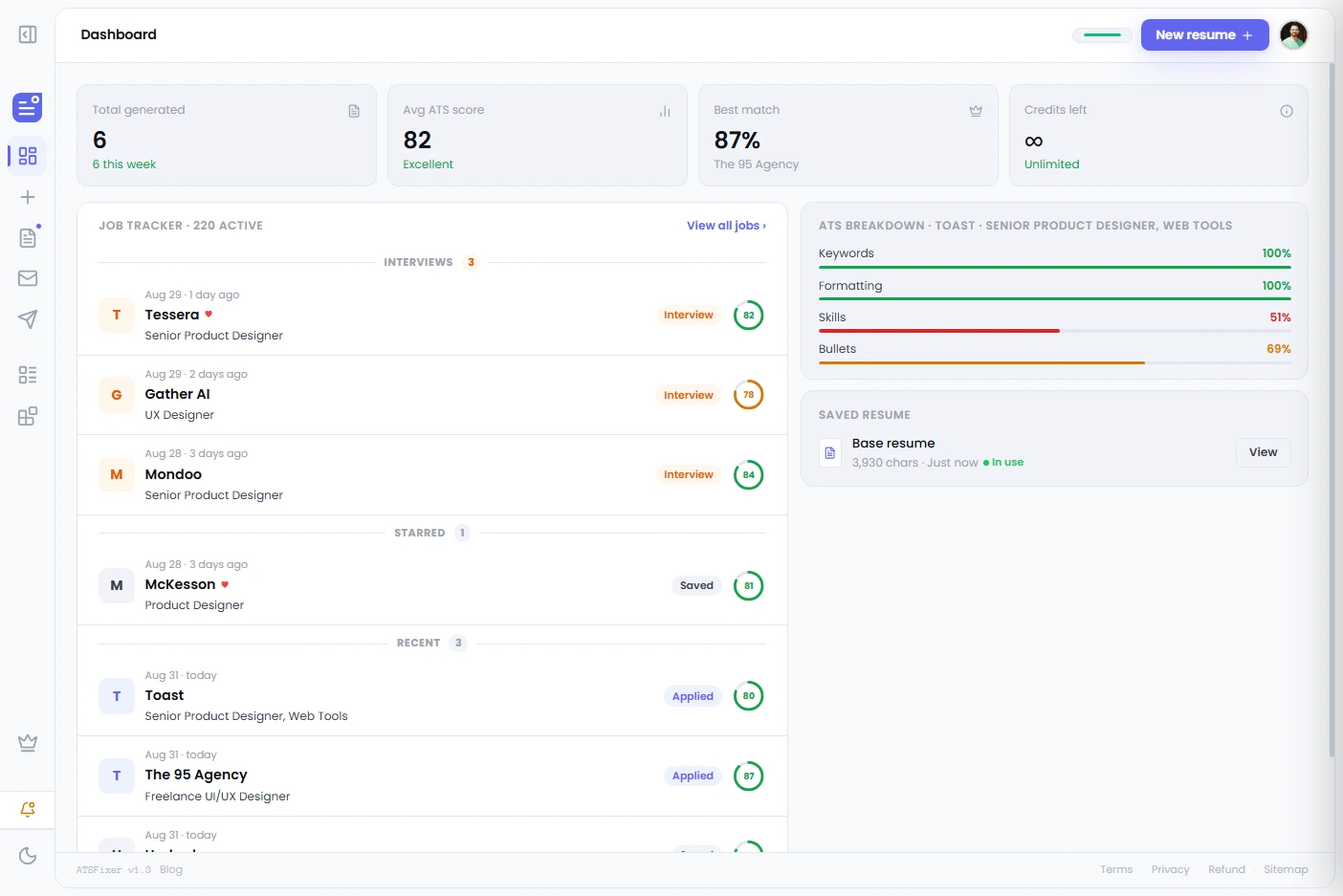
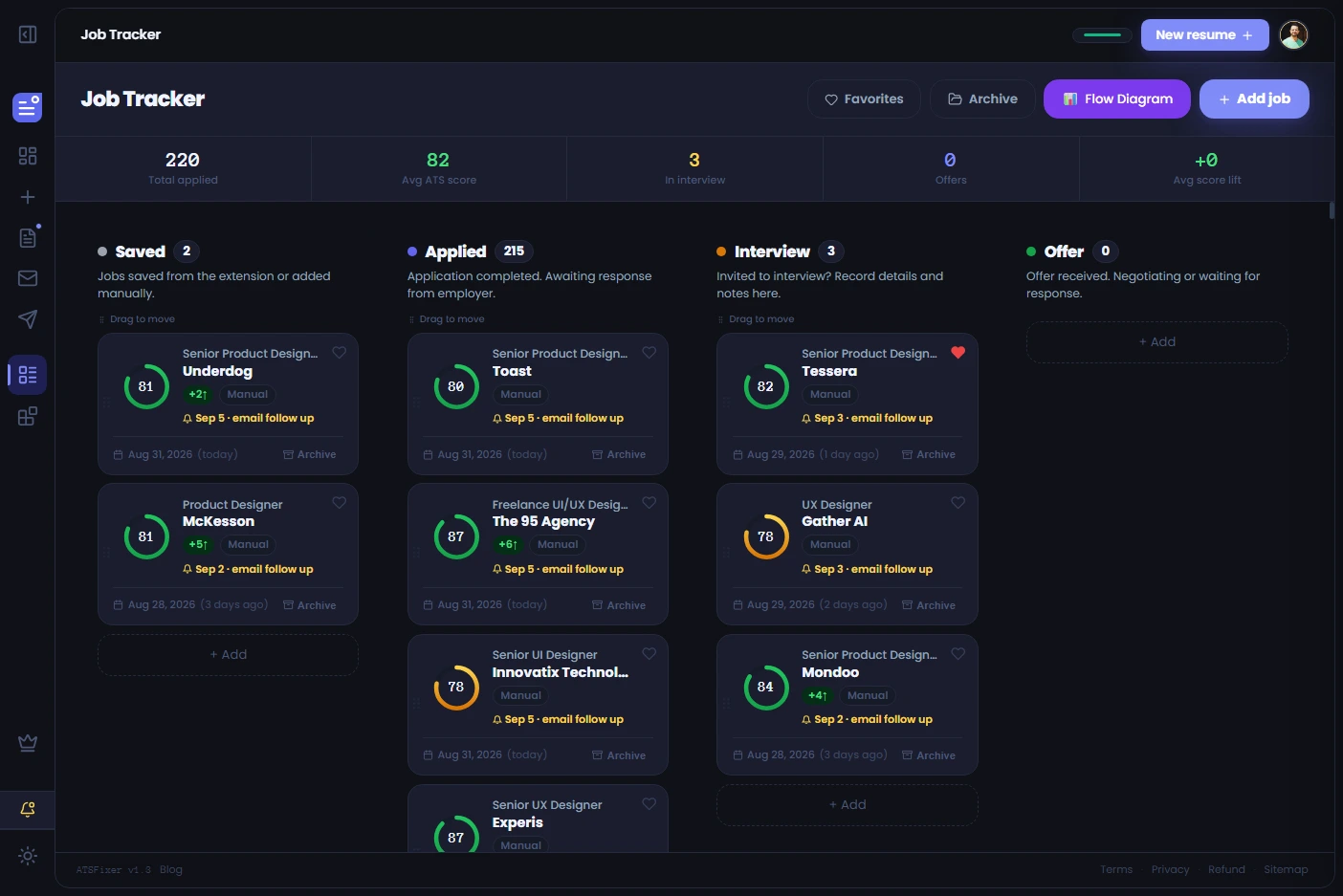
How the pieces connect
- Long Claude passes are polled from the client, not held open, so a slow request can't look identical to a broken one.
- Credit counts update optimistically in React, then roll back if the server rejects the job.
- Shared UI primitives (button, card, badge) live in one folder; feature screens compose them, no per-screen one-offs.
Three things that broke after real users hit it
Generations over ~60s came back as a 502, even when they'd finished.
FixRebuilt as a background job that returns a job ID instantly; client polls status every 2.5s.
Credits sometimes reset to full on refresh after an anonymous generation.
FixDeduction was gated on a silent insert. Server now deducts unconditionally the moment a generation logs.
A successful generation would sometimes never appear in the tracker.
FixA trigger cast its payload to text instead of jsonb, rolling back silently. Rewrote it to build real jsonb.
Shipped, not a prototype
Live since April 2026, 77 commits by August, real job seekers adapting resumes and tracking applications at app.atsfixer.com.
Design a cache so a miss costs a little and a hit-gone-wrong costs a lot, never the reverse.
The fix that looks right in code isn't the fix until prod logs agree with it.
Running two design systems on purpose beat freezing the product to redesign it properly.
A single believable number is an easier sell than seven honest ones. I'd ship the honest ones again.